Table Of Content
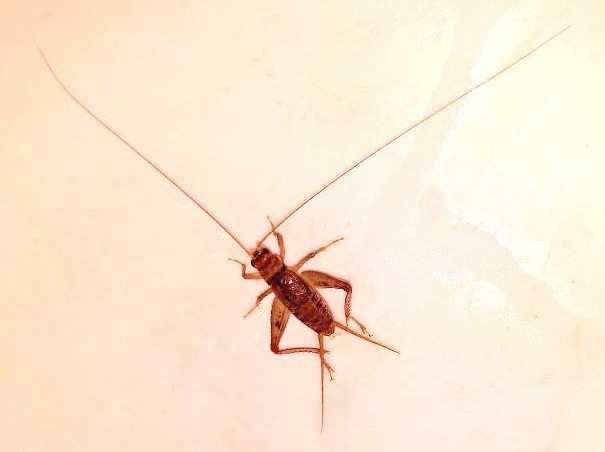
Chewed fabric is also a sign of a house cricket infestation. Mandible marks along chewed edges are often visible with magnification. Outside, house crickets consume plant matter and dead insects and are likely to be found in fields and pastures.
Similar Insects
And while crickets may not be the most destructive pests, some species will snack on wood, paper, and fabrics. Learn more about these noisy, intrusive insects—and many ways to banish the bugs for good. Compared to other pests, crickets offer the convenience of announcing their presence upon arrival. Learning how to get rid of crickets in the house with effective pest control methods can help ensure a good night's sleep. A young house cricket may only take two to three months to reach maturity. They are born mostly complete, and simply grow to their adult size and maturity.
Horrifying Clip Shows Woman's House Being Invaded by Thousands of Crickets - Newsweek
Horrifying Clip Shows Woman's House Being Invaded by Thousands of Crickets.
Posted: Tue, 13 Jun 2023 07:00:00 GMT [source]
The Circus Trump Wanted Outside His Trial Hasn’t Arrived
Ja-Roy is proud to have joined forces with Dugas Pest Control and Presto-X to provide our exceptional service to even more homes and businesses in Louisiana. Crickets are not dangerous and pose no significant risk to humans. However, many people find them to be annoying nuisances, especially when crickets enter homes and begin singing. Indoor crickets also pose a risk to fabrics as they like to chew and feed on textiles made from wool, cotton, linen, and other materials. A house cricket is not harmful but may become a pest when their numbers escalate in your home or garden. It is important to read and adhere to the instructions available with the products.

How to Get Rid of Mole Crickets
As they feed, the pests pick at loose fibers, which creates an unraveled appearance. They may also stain clothing and furniture with their droppings. Additionally, their presence in kitchens, bathrooms, and bedrooms is unsettling. House crickets can be identified by their light brown color and the three dark bands across their heads. These pests are about 3/4 of an inch in length and have large back legs, long antennae, and wings. The calling song (689 Kb wav. file) is a series of short chirps.
Introduction - Distribution - Life Cycle - Identification - Habitat - Song - Rearing - Management - Selected References
They can come in various sizes and colors, some with wings and some without. Most crickets will have a small humped-back body and bent hind legs. Let Pestnet® help your pest control company reach new heights by utilizing the power of Pest Control Lead Generation. Pestnet® has experience in the pest management industry and years of experience in effective online pest control marketing.
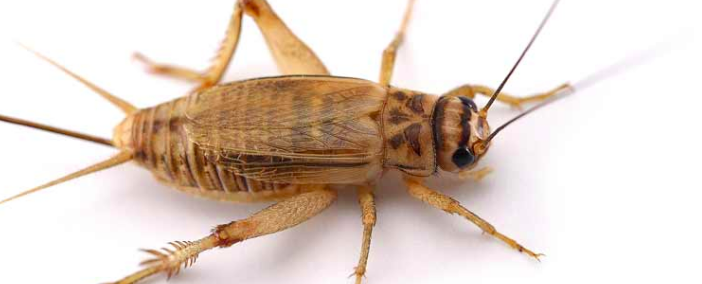
If you have a house cricket infestation on your property, contact your local exterminators. The most obvious sign of a house cricket infestation is the presence of crickets in the home. They are drawn to warm, moist environments within structures. Another sign of a cricket infestation is the chirping noise the male house crickets often make, which is done when they rub their front wings together. This “calling song” serves to attract females and, since they’re nocturnal, often occurs at night. If homeowners hear this chirping, it could be a sign of a house cricket infestation.
You may think it easy to get rid of a cricket, yet crickets are good at hiding. The sounds are bad enough when outside, but as night comes and they are trying to attract others, it can drive you insane. Clutter near and within your home also attracts crickets because it gives them more areas to hide. Boric acid has a low level of toxicity, but can irritate skin. If it is accidentally ingested, it may cause vomiting and other gastrointestinal issues.
12 of the Most Common Garden Pests—Including 8 of the Most Destructive Bugs
This species of house cricket is also known as a “true cricket,” due to its form. They are however, closely related to grasshoppers and may be misidentified as such on occasion. You can also prevent house crickets from returning by installing a few preventive measures. This is rare and is usually happens when pet owners handle crickets as they feed them to their pets. After mating, females lay about 100 eggs in damp soil or moist indoor areas.
Kristi Noem Under Fire For Getting Daughter A State License
The house cricket is very common on the beaches of Florida and other fisheries as pests, where fishermen discard bait at the end of the day. This bait, or the house cricket, can help support the local ecosystem but may quickly become a pest if the conditions are right for survival and reproduction. Their reproduction happens in temperatures between 79°F and 90°F. The females lay their eggs in any damp substrate, including moss, wet sand, and moist areas in or around houses. Their life cycle, from eggs to nymph to adult, takes around 2-3 months to complete.
Around homes, they congregate near indoor heaters, kitchens, and fireplaces or in mulch and woodpiles; however, they may be found in other parts of a structure. Infestations occur when the pests come indoors for shelter or when crickets intended as pet food escape into the house. This annoys homeowners because the pests are known for their loud chirping and are most active at night. Outside, house crickets feed on plants and dead or live insects, including other crickets. Indoors, they can feast on fabric, including clothing and carpet. Wool, cotton, silk and synthetic fabrics as well as clothes soiled with perspiration are especially attractive to house crickets.
Empty the vacuum into an outdoor trash can once you’re done. You can also prevent crickets from getting in by setting up a bird feeder near your home to attract birds, who will happily catch the crickets for a meal. Create a mixture of chili powder, two cups of water, and a few drops of dish soap. Spray the chili powder mixture at your home’s entry points, outdoor plants, and soil to keep these pesky creatures at bay. Crickets are repelled by spicy scents, which makes chili powder an excellent option to get rid of crickets naturally. Like many other insects, crickets hate the smell of peppermint.




No comments:
Post a Comment